A bachelor thesis with a teledermatology partner
DermaLab was my bachelor thesis at HfG Schwäbisch Gmünd, built between October 2022 and February 2023 in a team of three and supervised by Prof. Hartmut Bohnacker and Prof. Hans Krämer. The teledermatology company dermanostic joined as project partner, which gave us access to practising dermatologists, real cases and a field visit to their office in Düsseldorf.
Nine cases leave, one arrives
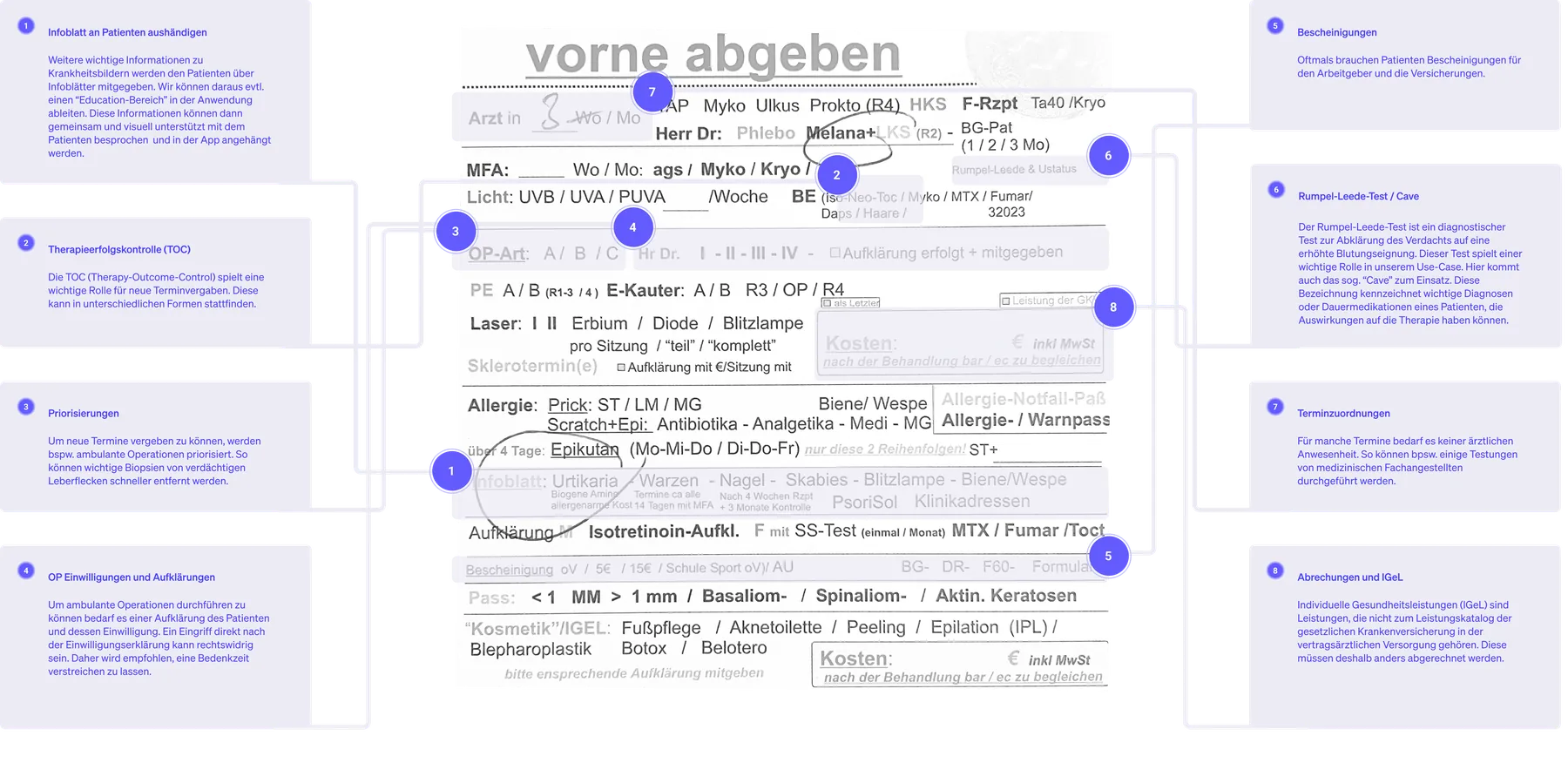
German dermatology is short of dermatologists and long on patients, and appointments compress to around five minutes. Teledermatology can absorb much of that load. Studies put the share of skin conditions treatable from photographs and an anamnesis at up to 90 percent. What is missing is the seam between the two worlds. The patients who still need a practice arrive at one that knows nothing about the diagnosis they already have, and the practice itself runs on paper and coloured lamps. So we designed the handover.
We watched before we drew
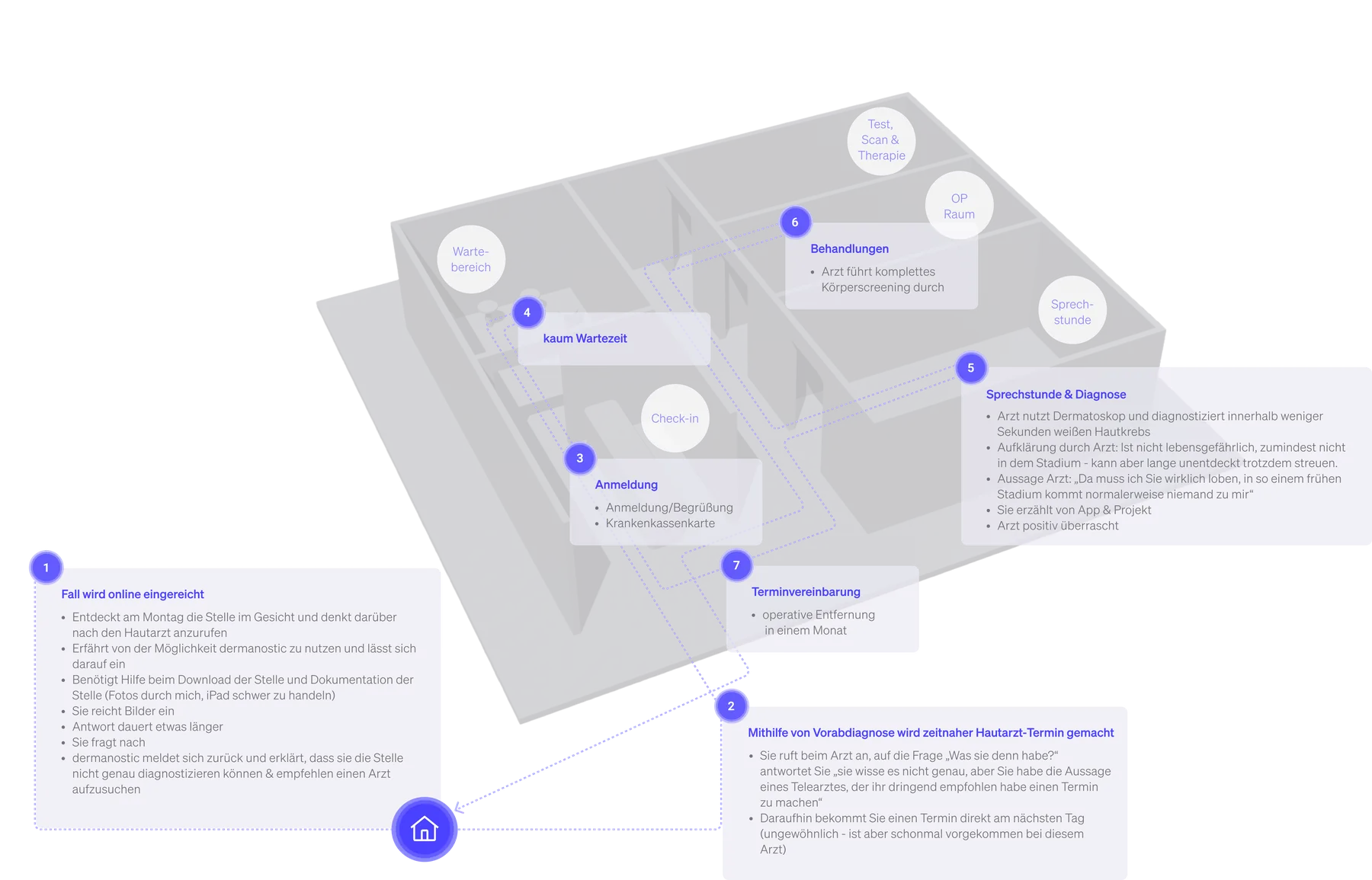
I started with secondary research on telemedicine, dermatology and teledermatology, building a status report for each and reading it for potential and friction. Those findings went back to experts. Practising dermatologists and the dermanostic team grounded them in real cases. We then interviewed physicians, observed them at work in their own practices, mapped the patient journey with people going through treatment, and ran SWOT and 5 Whys over everything we had before turning any of it into concepts.
The lamps were already the interface
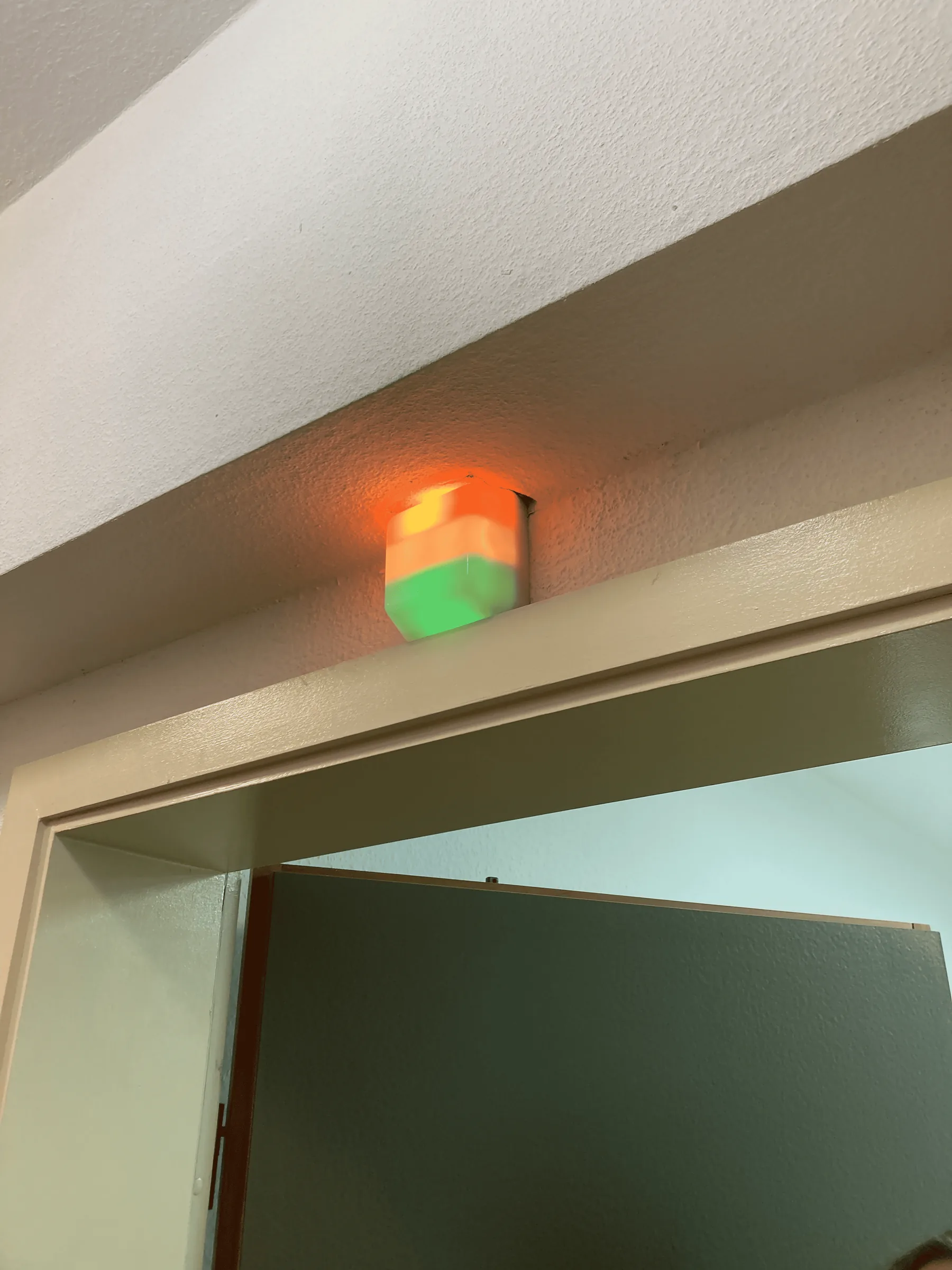
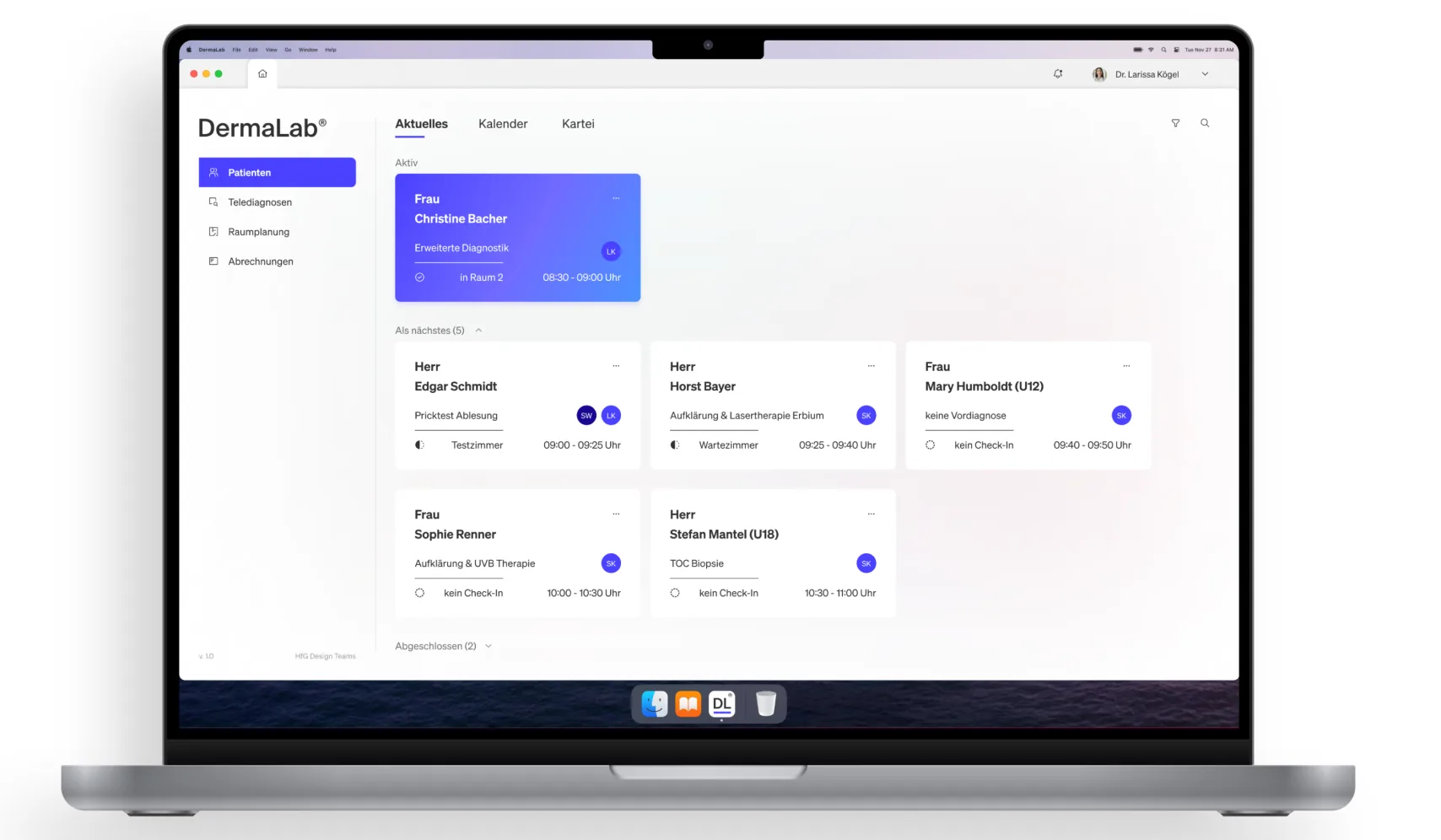
In one practice the dermatologist navigates between treatment rooms by lamp. A light in the hallway shows whether he is running 20, 30 or 40 minutes late. A second lamp outside each room carries up to three colours at once: assistant with patient, do not disturb, patient may be undressed; very short appointment; longer appointment. The obvious move was to replace all of it with a dashboard. We kept the model and digitised the state. Each case tile carries room, treatment type, attending physician and patient status, so the overview the lamps already gave survives without asking anyone to relearn their own practice.
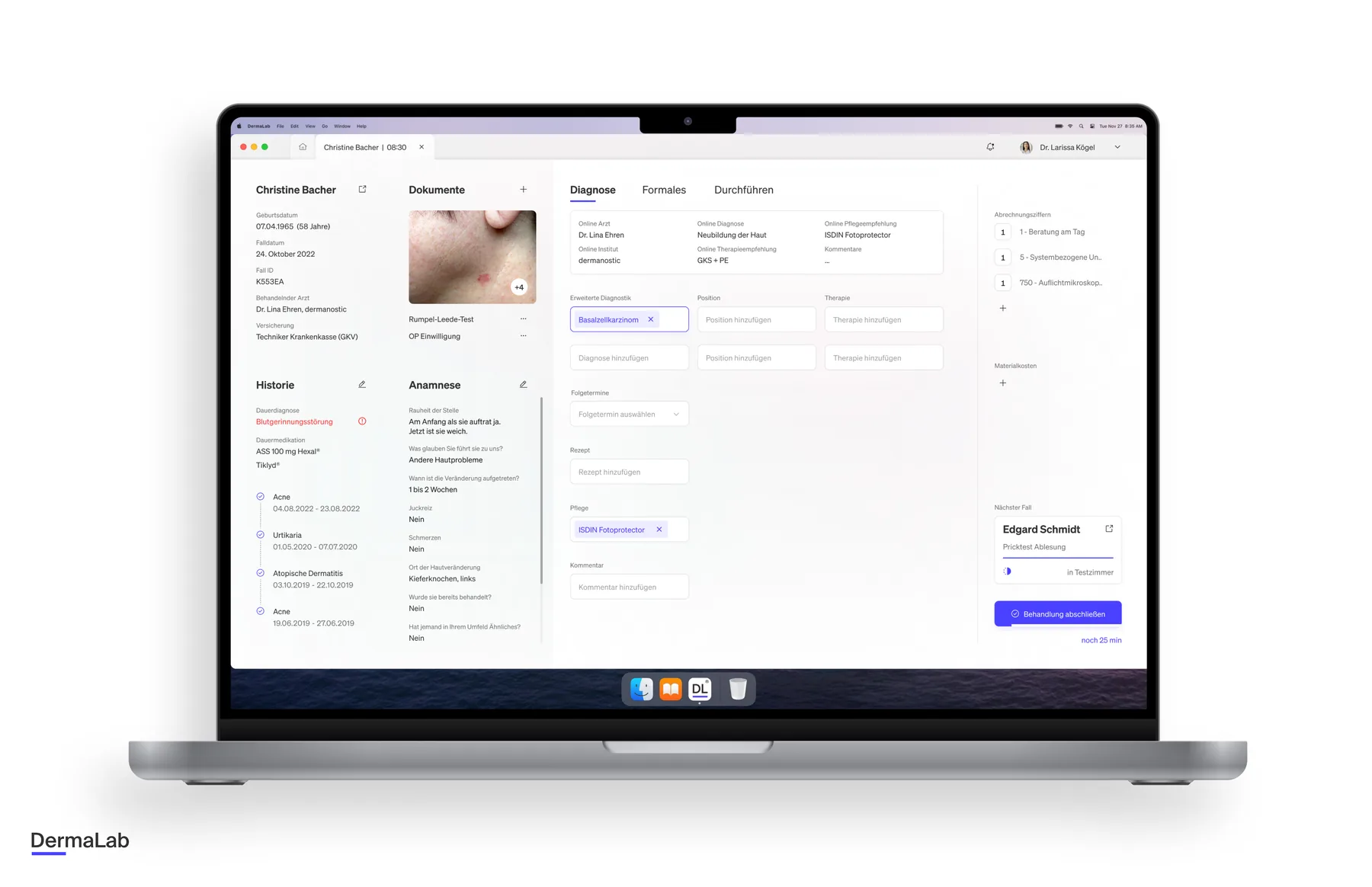
Whole diagnoses in a few keystrokes
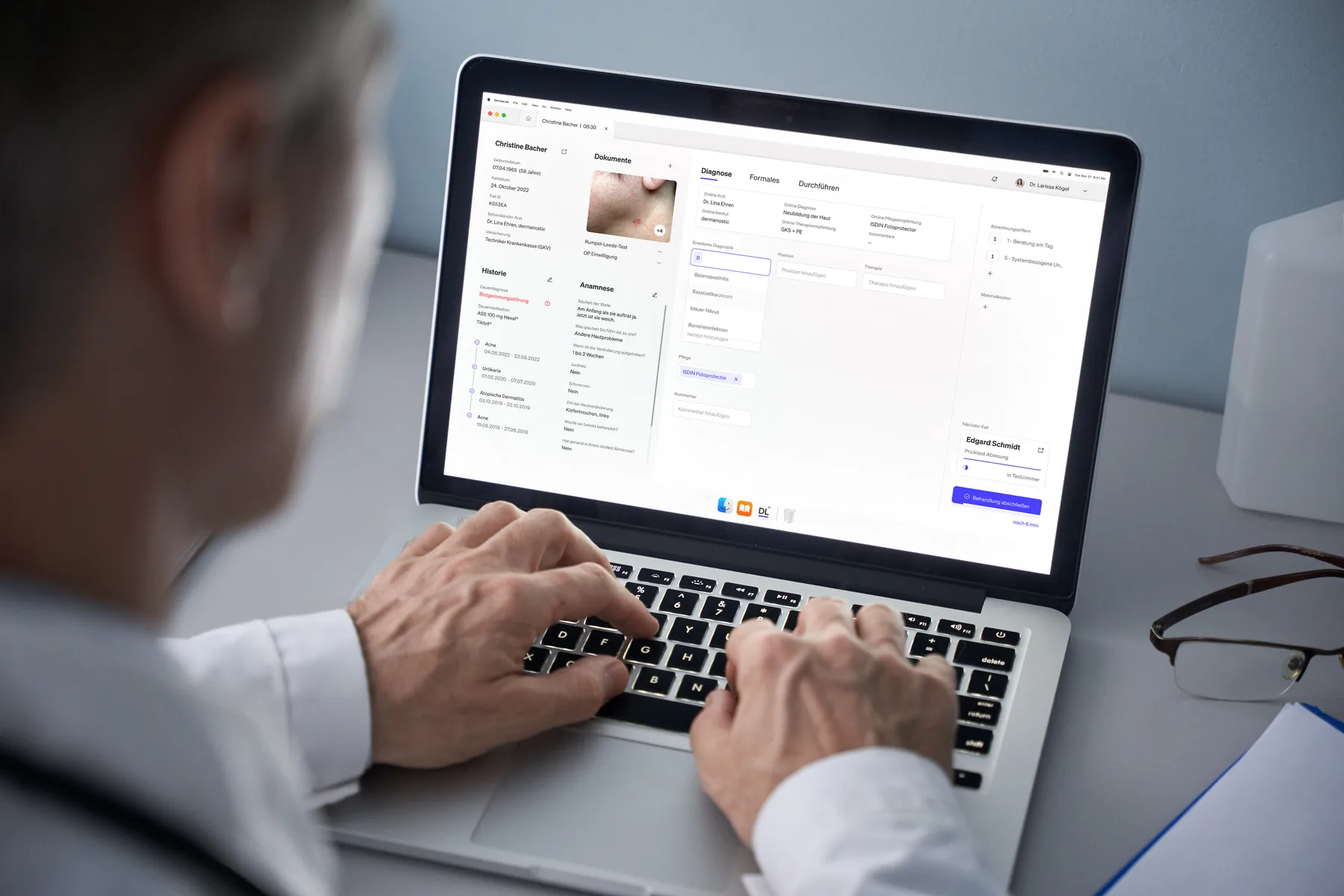
Documentation in the practices we visited ran on custom-printed paper and on legacy software organised as numbered lists of forms. A structured form UI would have reproduced that logic in a browser. We built a single text input with suggestions and chip creation, so a full diagnosis takes a handful of keystrokes. Billing codes and material costs then generate from what was entered, and nobody types them a second time.
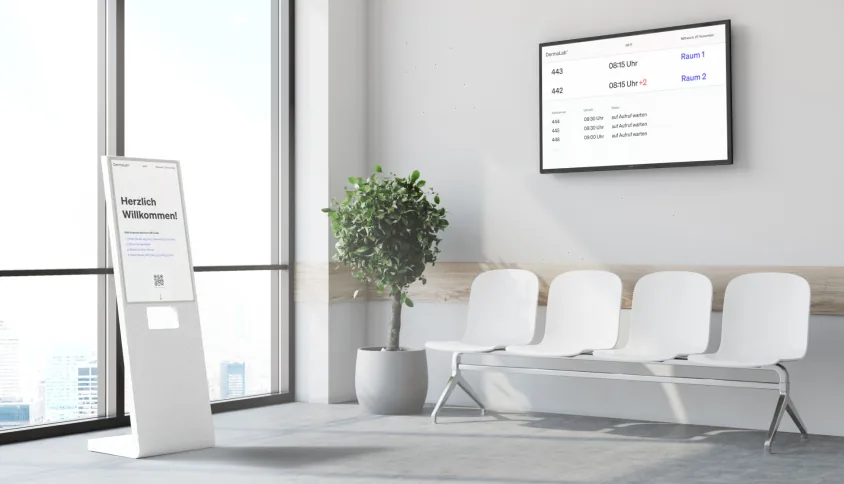
Case numbers in the waiting room
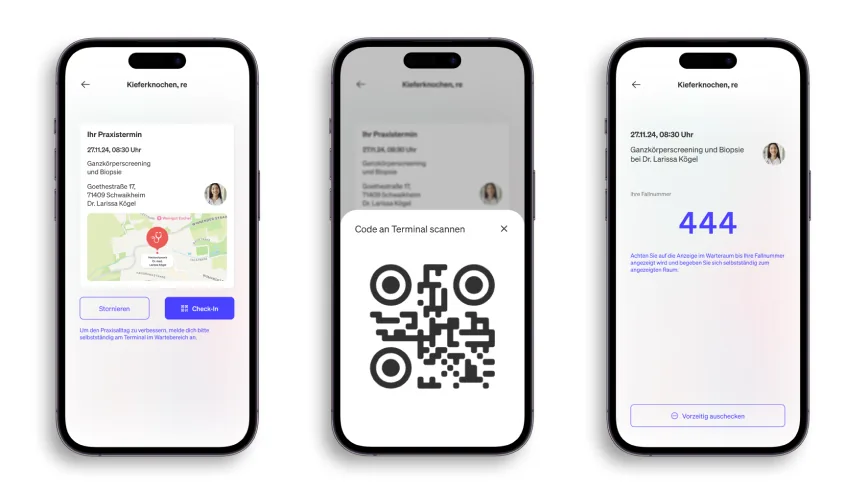
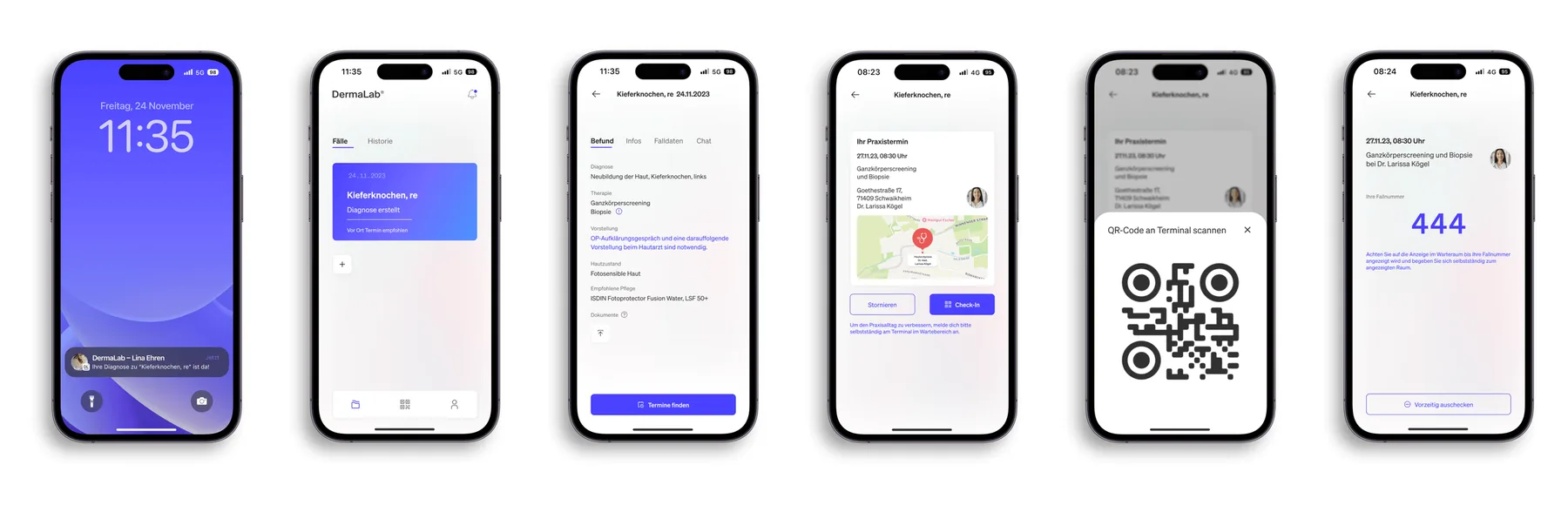
Patients check in at a terminal with the QR code from their appointment. The waiting-room screen then routes them by case number and room. That keeps the room from broadcasting who is being treated for what, and it lets patients find their own way, so the front desk stops working as a switchboard.
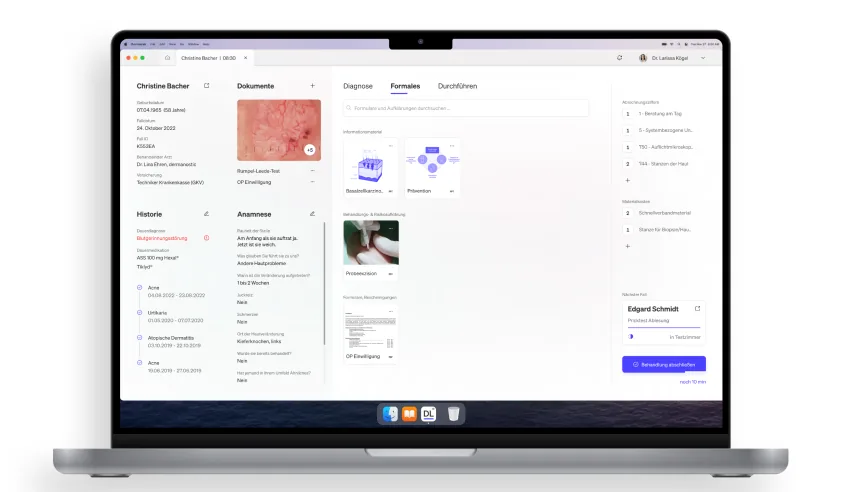
The explanation belongs inside the five minutes
Alongside the diagnosis, the software offers the graphics and short videos the dermatologist uses to explain it, plus the forms, lab slips and sample labels the case needs, pre-filled from data already in the record. Consultation time is the scarce resource here, so we spent the interface on making those five minutes carry more.
One case, three surfaces
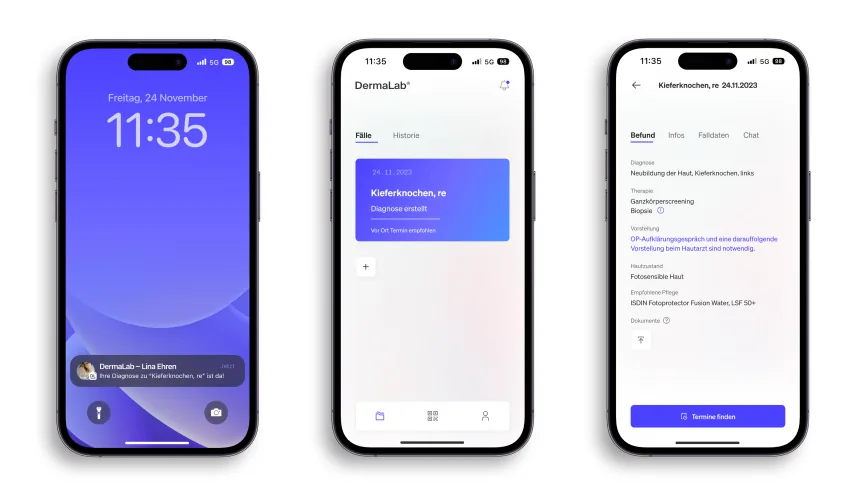
The same case object appears in the practice software, the patient app and the terminal in the waiting area. The patient sees the diagnosis, the recommended appointment and the check-in code. The dermatologist sees history, anamnesis, materials and billing. The terminal sees a number and a room.
Prototyped across three surfaces, never deployed
DermaLab is a concept, developed to high-fidelity prototypes across all three surfaces plus a project film, and iterated with dermatologists and dermanostic over several rounds. Standardised diagnostic documentation, preliminary therapy recommendations and interoperable practice management tools are what it proposes. It was never deployed. What the thesis was graded on is the system design and the evidence behind it.
What I would test next
The concept was refined against expert feedback, and a summative usability test with practice staff never happened. Two gaps stand out to me now. The billing-code automation was designed from observation and never checked against real billing rules. And the medical assistants, whose work the system changes most, were observed but never interviewed as a user group in their own right. That is where I would start again.